Tub-to-Shower Conversion Cost in West Chester PA (2026 Guide)
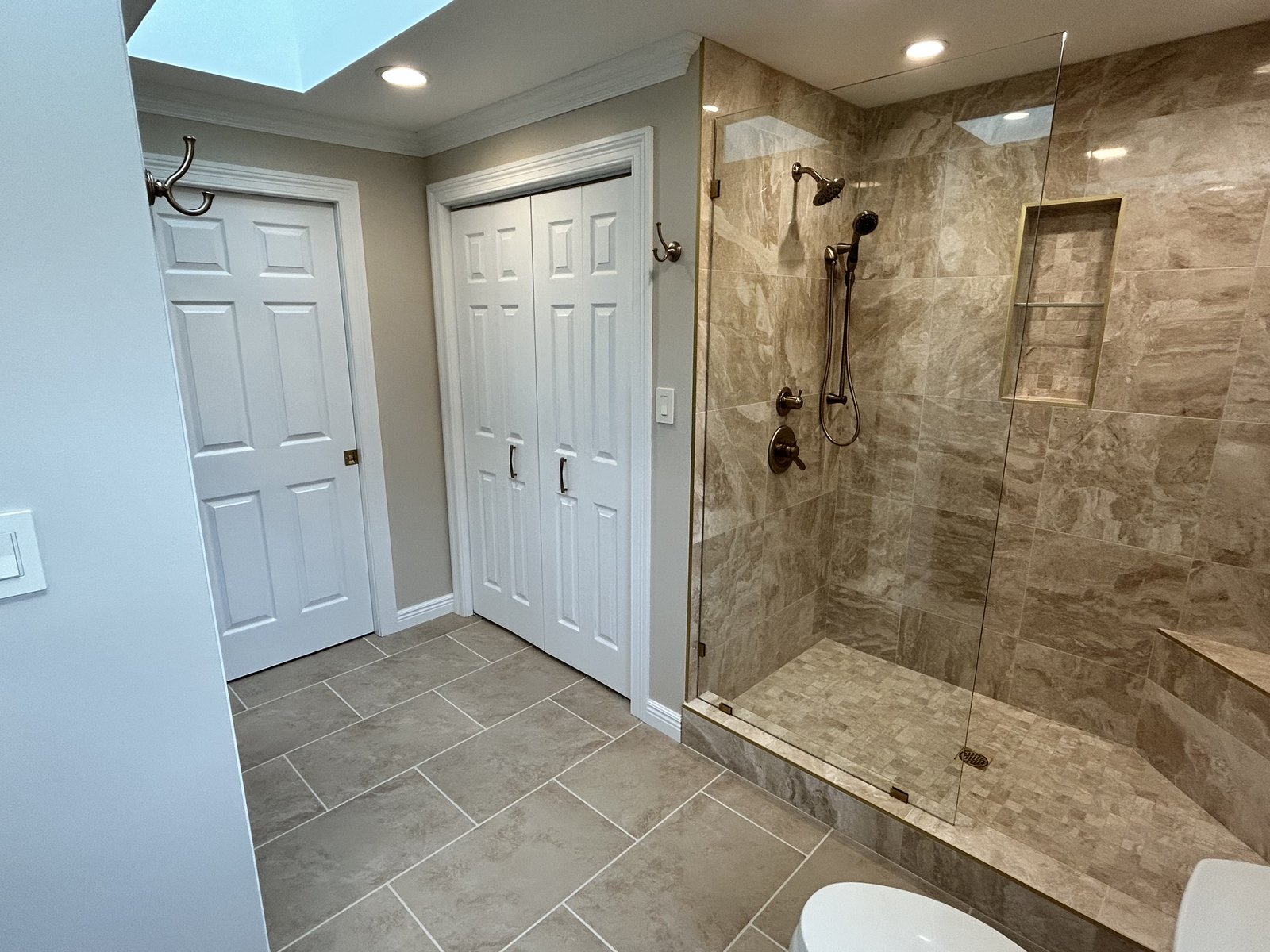
Thinking about swapping that rarely-used tub for a walk-in shower? A tub-to-shower conversion is one of the most popular bathroom upgrades we do in West Chester — and the first question is almost always the same: how much does it cost?
For a lot of homeowners, it's the single best return in the bathroom. You reclaim space, modernize a dated room, and remove a tub that mostly collects dust. For others, it's about staying in the home longer — a curbless or low-threshold shower is far easier and safer to step into than climbing over a tub wall.
This guide covers real 2026 pricing for conversions in the West Chester and Chester County area, what drives the cost up or down, how long the work takes, and how to make sure it's done right — because a shower is the one place in your home where shortcuts turn into water damage.
Tub-to-Shower Conversion Cost in West Chester PA
Most conversions in our area fall into one of three tiers, depending on the materials and how much of the plumbing has to move:
Acrylic / Solid-Surface Surround
$6,500 – $9,500
Pre-formed base and acrylic wall panels where the tub was. Fast, budget-friendly, and low-maintenance with fewer grout lines.
Custom Tiled Walk-In Shower
$10,000 – $15,000
Fully waterproofed, custom-tiled shower with a built-in niche and your choice of base. The sweet spot for most conversions.
Premium Curbless / Large-Format
$15,000 – $20,000+
Zero-threshold entry, large-format or specialty tile, a built-in bench, and frameless glass. Best for accessibility or a true spa feel.
These ranges assume a standard-sized bathroom in good structural shape and reflect work completed by a licensed and insured contractor — including demolition, the new shower base or pan, waterproofing, wall finishes, fixtures, and final cleanup.
Two conversions on the same street can land thousands of dollars apart. The price depends far less on the size of the room than on what you choose to put in it — and what we find once the tub comes out.
What Drives the Price Up or Down
1. Moving the Plumbing
Keeping the drain and valve where they are keeps costs down. Relocating them — to widen the shower or change the layout — adds plumbing labor and may trigger a permit.
2. Tile Choice and Size
Large-format tile, mosaics, and intricate patterns take more labor to set than standard subway tile, and material cost varies widely. Tile is one of the biggest swing factors in the whole project.
3. Glass Enclosure
A frameless glass panel costs more than semi-frameless, which costs more than a simple curtain rod. Custom or low-iron glass is often its own line item.
4. Curbless vs. Standard Base
A zero-threshold shower means reworking the floor framing and drainage so water stays where it belongs. It's worth it for accessibility and looks, but it's more involved than dropping in a standard base.
5. Niches, Benches, and Grab Bars
Built-in storage and seating add up individually, and grab bars need proper blocking behind the wall to actually hold weight — which is done while the wall is open, not after.
6. What's Behind the Wall
Pulling a tub sometimes uncovers old water damage or rot, especially in West Chester's older homes. We'd rather find it now than tile over it. Budgeting a small contingency for the unexpected is always smart on an older home.
Acrylic or Tile? The Honest Answer
Acrylic and solid-surface surrounds are quicker to install, cost less, and are genuinely low-maintenance — fewer grout lines means less to clean and reseal. If budget is the priority and you want a clean, simple result, acrylic is a smart choice and nothing to apologize for.
That said, tile is where we spend most of our time, and for good reason. A properly waterproofed tile shower looks better, lasts longer, and adds more to the feel and value of the room. The key phrase is properly waterproofed — tile is only as good as what's behind it. A tile shower built over the wrong substrate will fail no matter how nice it looks on day one. That's exactly the kind of failure behind so much of the water damage we get called to repair after another contractor's work.
How Long Does a Conversion Take?
- Acrylic surround conversion: a few days
- Custom tiled walk-in shower: one to two weeks
Tile, waterproofing, and grout each need time to cure before the next step. We won't rush a waterproofing or curing step to hit a date — that's exactly where shortcuts cause leaks down the road. Material lead times on tile or custom glass can also stretch the calendar, which is why we lock in selections before demo day.
Doing It Right Matters More Here Than Almost Anywhere
A shower is a small space that gets soaked every single day. The waterproofing layer behind the tile is the part you'll never see and can't afford to get wrong. As a licensed Pennsylvania contractor (PA HIC #161034), we build to last: correct substrate, a proper waterproofing membrane, sealed penetrations, and the right slope to the drain. Done correctly the first time, your new shower should never become a water-damage problem — the kind we cover in our guide to drywall repair after water damage.
One Thing to Consider: Keep at Least One Tub
If this is your only bathroom, or the only tub in the house, think twice before removing it. Families with young kids often want a tub, and some buyers screen for at least one when shopping for a home. If you've got a primary bath and a hall bath, converting one to a walk-in shower while keeping a tub in the other is usually the best of both worlds. We'll talk through your specific layout before anyone swings a hammer.
A conversion is also a natural piece of a larger update. If you're weighing a full renovation instead, our 2026 bathroom remodel cost guide for West Chester breaks down what a complete project runs in our area. You can also browse our completed bathroom projects to see the quality and style of work we deliver.
Frequently Asked Questions
How much does a tub-to-shower conversion cost in West Chester PA?
Most conversions run $6,500–$9,500 for an acrylic surround, $10,000–$15,000 for a custom tiled walk-in shower, and $15,000–$20,000+ for a premium curbless build with frameless glass. Your exact number depends on whether plumbing has to move, your tile and glass selections, and what's found once the tub is removed.
Is it cheaper to convert a tub to a shower or replace the tub?
A like-for-like tub replacement is usually cheaper, since a conversion often adds a new base, more wall tile, and a glass enclosure. But a walk-in shower is more accessible, feels larger, and is the layout most homeowners prefer in a primary bath.
Do I need a permit for a tub-to-shower conversion?
If the conversion moves plumbing such as the drain or valve, a permit is typically required in West Chester and surrounding Chester County municipalities. A simple swap reusing the existing plumbing location often doesn't. We handle permitting when it's needed.
Will it hurt my home's resale value?
Generally not, as long as the home keeps at least one tub. Converting your only tub can narrow your buyer pool, so if you have two bathrooms, keeping a tub in one is the safe play.
Ready for Your Walk-In Shower?
We handle tub-to-shower conversions throughout West Chester and Chester County — from clean acrylic swaps to fully custom tiled showers. Tell us about your bathroom and we'll give you a clear, honest estimate.
Request an Estimate