Why a Good Home Improvement Estimate Is More Than Just a Price
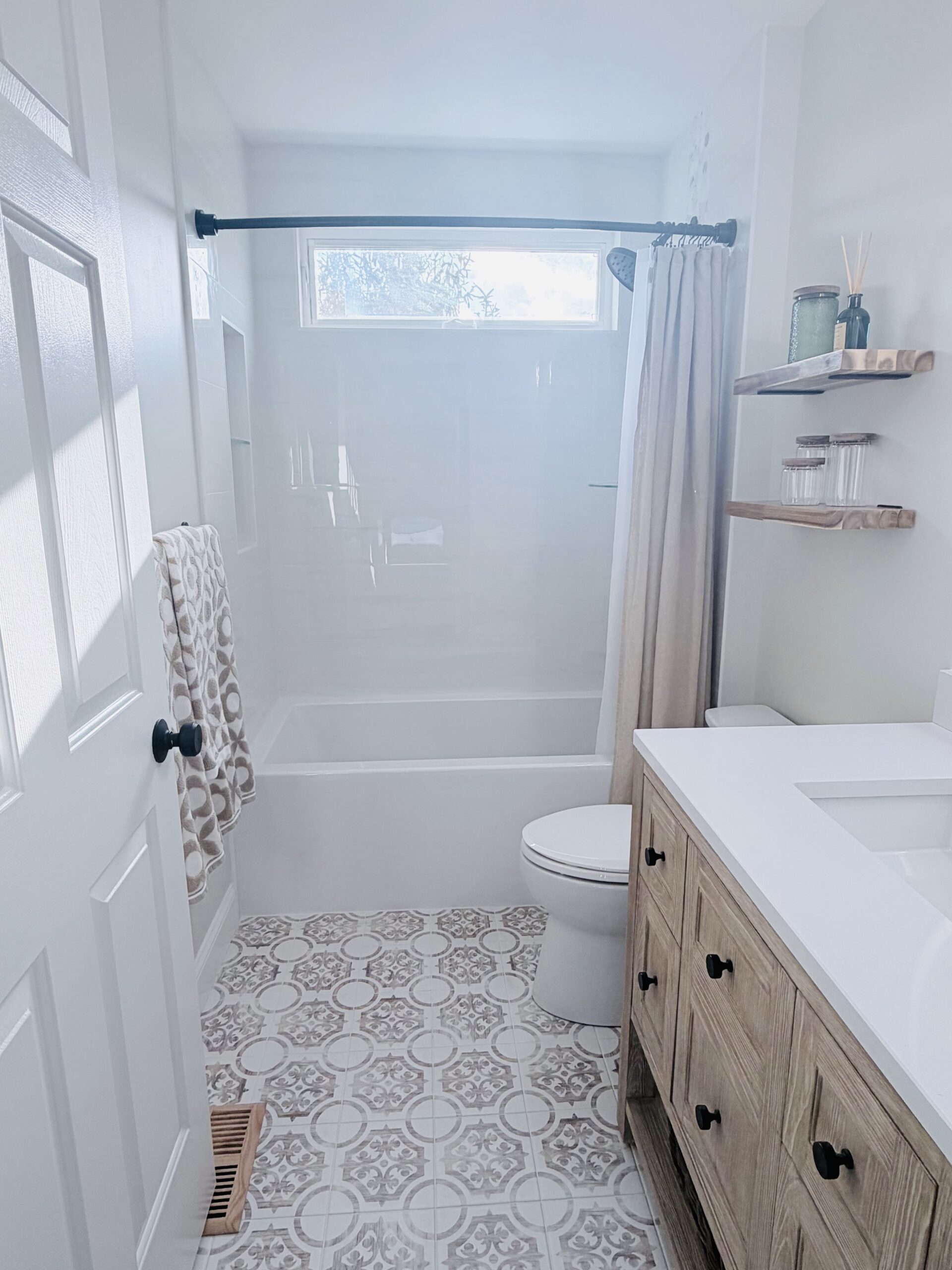
If you're planning a home improvement project in West Chester PA, one of the first things you'll want from a contractor is an estimate. But a good estimate should do more than give you a final number.
Whether you're remodeling a bathroom, repairing water damage, replacing flooring, updating drywall, or planning a larger renovation, the estimate should help you understand what is included, what is not included, and what kind of work is actually being priced.
That matters because not all contractor estimates are written the same way. Two estimates can look completely different even if they are for the same project. One may include prep work, repairs, disposal, trim, painting, and finish details. Another may only include the most obvious parts of the job.
This guide explains what homeowners should look for in a home improvement estimate, why prices can vary so much, and how to compare contractor proposals without choosing based on price alone.
Let's get into it.
What Is a Home Improvement Estimate?
A home improvement estimate is a written breakdown of the work a contractor expects to perform and the projected cost of the project. Depending on the size of the job, it may include labor, materials, demolition, repairs, installation, cleanup, disposal, allowances, payment terms, and project notes.
For a small repair, the estimate may be fairly simple. For a larger remodel or restoration project, it should include enough detail for the homeowner to understand the major phases of the work.
A good estimate should answer questions like:
- What areas of the home are included?
- What work will be performed?
- What materials or fixtures are included?
- What prep work is included?
- What repairs are included?
- What items are excluded?
- How are unexpected issues handled?
- What is the payment schedule?
The goal is not to overwhelm the homeowner with unnecessary detail. The goal is to make sure both sides understand the project before work begins.
Why Contractor Estimates Can Vary So Much
One of the most frustrating parts of planning a home improvement project is comparing estimates that are thousands of dollars apart.
Sometimes the price difference comes from labor rates, material quality, project complexity, or company overhead. Other times, the lower estimate is simply missing important parts of the scope.
For example, one flooring estimate may include removing the existing floor, checking the subfloor, replacing damaged baseboards, installing new flooring, adding transitions, and hauling away debris. Another may only include installing the new flooring itself.
Those are not the same estimate.
This is why homeowners should compare the details, not just the final price. A higher estimate may actually be more accurate if it includes the work needed to complete the project properly.
What Should Be Included in a Contractor Estimate?
Every project is different, but a professional home improvement estimate should usually include a few important sections.
1. Project Description
The estimate should describe the project in plain language. For example, instead of only saying “bathroom remodel,” it should explain whether the project includes demolition, shower replacement, tile installation, vanity installation, plumbing, electrical, flooring, drywall, painting, and trim.
2. Scope of Work
The scope of work is the heart of the estimate. This is where the contractor explains what will be done and where the work will take place.
For a bathroom remodel, the scope may include removing the existing tub or shower, installing waterproofing, setting tile, replacing fixtures, installing a new vanity, updating lighting, and painting.
For a water damage repair, the scope may include removing damaged drywall, replacing insulation, repairing framing, replacing subfloor, installing flooring, replacing trim, and repainting the affected area.
3. Materials and Fixtures
The estimate should explain whether materials are included, excluded, or handled as allowances. This is especially important for items like tile, flooring, vanities, faucets, light fixtures, toilets, shower glass, and countertops.
Material selections can change the price of a project quickly. A basic vanity and a custom vanity are not the same cost. The same goes for builder-grade tile compared to large-format porcelain, natural stone, or custom mosaic work.
4. Prep Work and Repairs
Prep work is one of the most overlooked parts of an estimate. It is also one of the most important.
Good prep work can include protecting floors, removing old materials, correcting framing, repairing subfloor, installing proper underlayment, fixing damaged drywall, or making sure walls and floors are ready for new finishes.
If prep work is skipped or underpriced, the finished product may not last.
5. Exclusions
A good estimate should also explain what is not included. This helps avoid confusion later.
Common exclusions may include permits, hidden damage, fixture upgrades, painting outside the project area, customer-supplied materials, or work in rooms not listed in the scope.
Exclusions are not a bad thing. They simply make the project easier to understand before work begins.
The Lowest Estimate Is Not Always the Best Estimate
It is completely understandable to compare prices. Home improvement work is a major investment, and homeowners want to make a smart decision.
But the lowest number is not always the best value.
Sometimes a cheaper estimate is lower because it does not include the same level of work. It may leave out prep, disposal, drywall repair, trim, paint, subfloor repairs, waterproofing, or finish details. Those items may still be needed later, which can lead to change orders or a final cost that is higher than expected.
That does not mean the most expensive contractor is automatically the best either. What matters is whether the estimate is realistic, complete, and backed by a contractor who understands the work.
When comparing estimates, homeowners should ask:
- Are both contractors pricing the same scope?
- Are materials included?
- Is demolition included?
- Is cleanup and disposal included?
- Are drywall, trim, and paint included?
- Are there allowances for fixtures or finishes?
- How will hidden damage be handled?
Once you compare those details, the price difference usually makes more sense.
Examples of Details That Often Get Missed
Some project details are easy to overlook during the estimate phase. These are the items that can create confusion if they are not discussed early.
Drywall Repairs
If walls are opened for plumbing, electrical, water damage, or layout changes, the estimate should explain whether drywall repair and finishing are included.
Baseboards and Trim
Flooring projects often require baseboards to be removed and replaced. Sometimes the old trim can be reused, but if it is damaged, swollen, or outdated, replacement may be the better option.
Subfloor Repairs
In bathrooms, kitchens, laundry rooms, and water-damaged areas, the subfloor should be inspected. Soft or damaged sections may need to be replaced before new flooring is installed.
Painting and Touch-Ups
Some repairs require paint blending, wall painting, ceiling painting, or trim painting. If painting is not listed, homeowners should ask whether it is included.
Disposal
Demolition creates debris. A professional estimate should explain whether removal and disposal are included in the price.
Why Better Estimating Helps Homeowners
A well-written estimate makes the entire project easier to understand. It gives homeowners a better idea of what is included, how the project is being approached, and where the money is going.
It also helps reduce surprises. If something unexpected is discovered, such as rotten framing, old plumbing, damaged subfloor, or hidden water damage, there is already a written scope to compare against. That makes it easier to explain what changed and why additional work may be needed.
Good estimating also helps contractors plan better. When the scope is organized, it is easier to order materials, schedule labor, coordinate subcontractors when needed, and keep the job moving.
Estimating Tools Are Getting Better
Home improvement estimating has come a long way from handwritten notes, rough square-foot pricing, and quick numbers sent by text. Today, more contractors are using digital tools to organize project details, build proposals, and communicate the scope of work more professionally.
AI is also starting to play a bigger role in remodeling and home improvement estimating. Tools like TradePilot and Handoff AI are showing how contractors can build more organized estimates, create proposals faster, and give homeowners a better understanding of the work being priced.
For homeowners, this is a good thing. Better estimating tools can help reduce confusion, make proposals easier to review, and give both sides a better understanding of the project before work begins.
Questions to Ask Before Approving an Estimate
Before approving a home improvement estimate, it is worth asking a few questions. A reliable contractor should be willing to explain the scope and help you understand the proposal.
- What exactly is included in this estimate?
- Are materials included or handled as allowances?
- Is demolition and disposal included?
- Will drywall, trim, and paint be repaired after the work?
- What happens if hidden damage is found?
- Are permits needed for this project?
- How long is the estimate valid?
- What is the payment schedule?
- Is the work backed by a written warranty?
Asking these questions upfront can save a lot of confusion once the project starts.
How to Choose a Contractor in West Chester PA
If you're hiring a contractor in West Chester or the surrounding Chester County area, look beyond the final number on the estimate.
Pennsylvania HICPA registration. Home improvement work over $500 in Pennsylvania requires registration under the Home Improvement Consumer Protection Act.
Insurance. A legitimate contractor should carry proper insurance and be able to provide proof if requested.
Local experience. Homes in West Chester and Chester County vary widely. Older homes may have outdated plumbing, electrical, framing, or subfloor conditions that need to be handled correctly.
Written scope. Make sure the estimate explains the work in enough detail that you understand what is included.
Communication. If a contractor is hard to reach during the estimate phase, that can be a sign of what to expect during the project.
You can browse our completed projects to see examples of the type of remodeling and repair work we complete throughout West Chester and Chester County.
Frequently Asked Questions
How detailed should a home improvement estimate be?
A home improvement estimate should be detailed enough for the homeowner to understand what work is included, what materials are being used, and what areas of the home are being worked on. Larger remodeling projects should usually include more detail than small repairs.
Why are contractor estimates so different?
Contractor estimates can vary because of labor rates, material selections, company overhead, project complexity, warranty, insurance, and the amount of work included in the scope. A lower estimate may not always include the same items as a higher one.
Should I choose the cheapest contractor estimate?
Not always. The cheapest estimate may leave out important items like prep work, repairs, disposal, drywall finishing, trim, painting, or proper installation steps. Homeowners should compare the full scope of work, not just the final price.
What should I ask before approving a contractor estimate?
Ask what is included, what is excluded, whether materials are included, how hidden damage is handled, whether permits are needed, what the payment schedule is, and whether the work includes a written warranty.
Do home improvement estimates include materials?
Some estimates include materials, while others use allowances or require homeowner selections before final pricing. For remodeling projects, materials like tile, flooring, vanities, fixtures, countertops, and lighting can have a major impact on the final cost.
Final Thoughts
A good home improvement estimate should do more than show a price. It should help you understand the project, compare contractors fairly, and feel more confident before work begins.
If you're planning a remodel, repair, or home improvement project in West Chester PA or anywhere in Chester County, take the time to review the estimate carefully. Look at the scope, the materials, the exclusions, and the contractor's communication — not just the final number.
Every project is different, and the best way to get accurate pricing is through an in-home consultation where your goals, existing conditions, and project details can be reviewed properly.
Planning a Home Improvement Project in West Chester?
Schedule an in-home consultation and get a detailed estimate for your repair, remodel, or renovation project. Licensed, insured, and proudly serving West Chester and all of Chester County.
Request an Estimate